Common Entry Points Raccoons Use to Access Buildings
People seeking raccoon removal often want to identify and seal common entry points raccoons use to access buildings, with local service providers ready to help safely and effectively.
Property owners in the area often find it helpful to understand the common entry points raccoons use to access buildings. Recognizing these access points can be crucial for preventing unwanted wildlife from entering and causing damage or creating health concerns. Whether it’s a small opening around vents, gaps in siding, or unsealed chimneys, knowing where raccoons are likely to get inside helps prioritize maintenance and repair efforts. Exploring this topic can empower property owners to identify vulnerabilities early, reducing the risk of raccoon infestations and the complications that come with them.
For those dealing with raccoon activity, connecting with experienced local contractors who specialize in raccoon removal can make a significant difference. These professionals are well-versed in identifying and sealing common entry points, ensuring that raccoons are kept out of buildings. While this page provides practical insights into how raccoons access structures, enlisting the help of trained service providers ensures that the problem is addressed effectively and humanely. Keep reading to learn more about the typical entry points raccoons use and how local experts can assist with safe and thorough removal.
- Attic Vents - when raccoons are found nesting in attics, local contractors can seal or repair vents to prevent re-entry.
- Roof Openings - if raccoons are accessing roofs through chimneys or missing shingles, service providers can secure these entry points.
- Gutter Systems - when raccoons use clogged or damaged gutters to access rooflines, local pros can clean and reinforce them.
- Soffits and Eaves - in cases where raccoons are squeezing through damaged soffit panels, specialists can repair and close these gaps.
- Foundation Vents - if raccoons are entering through foundation or crawl space vents, local contractors can install protective barriers.
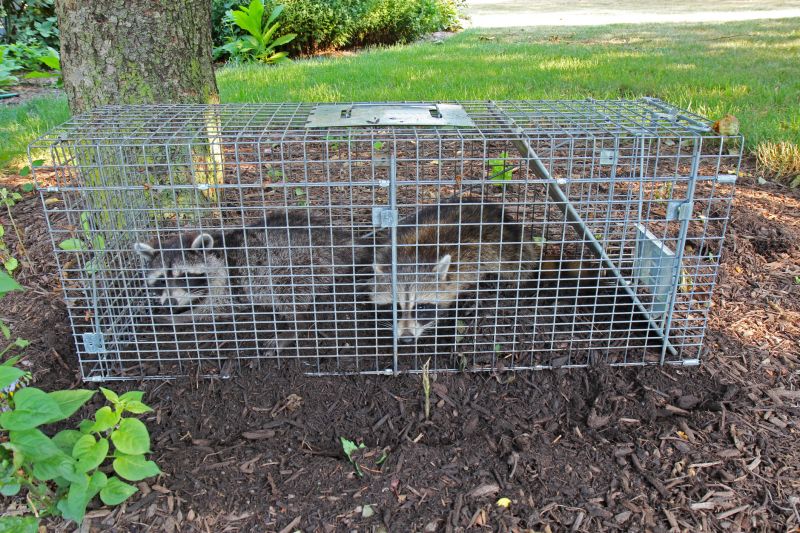
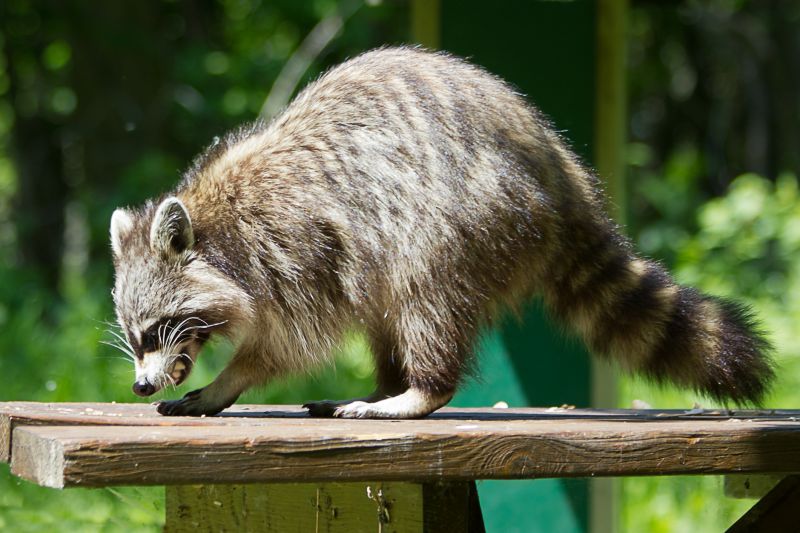

When homeowners search for information about common entry points raccoons use to access buildings, they are typically trying to understand how these clever animals gain entry into their properties. Raccoons are known for their ability to exploit small openings, often finding ways into attics, crawl spaces, or basements where they can settle undetected. This search often relates to concerns about property damage, the safety of inhabitants, and the need for effective removal or exclusion strategies. People want to identify vulnerable areas around their homes or commercial buildings so they can prevent raccoons from establishing nests or causing further issues.
The problems connected to raccoon entry points usually involve property damage, contamination, or health risks. Raccoons can tear through weak spots in roofing, siding, or foundation walls, creating new openings that allow them to access interior spaces. Homeowners may also be planning to install barriers or seal entry points as part of a larger wildlife control effort. Local contractors who specialize in raccoon removal or exclusion are often called upon to assess these vulnerabilities, recommend repairs, and implement solutions that prevent future entry. Understanding common entry points helps property owners prioritize which areas need attention and how to approach the removal process effectively.
Properties that frequently encounter raccoon entry points include residential homes, especially those with older or poorly maintained exteriors. Attics are a common target because they often have small vents, gaps around rooflines, or damaged soffits that raccoons can easily exploit. Commercial buildings, such as warehouses or storage facilities, may also face similar issues if their roofs or walls have openings or deteriorated sections. Additionally, sheds, garages, and other outbuildings with gaps or missing panels can serve as entry points for raccoons. Recognizing these property types and their typical vulnerabilities helps homeowners and property managers understand the importance of regular inspections and timely repairs.
Local service providers who handle raccoon removal and exclusion play a vital role in addressing common entry points to keep raccoons from entering buildings. They conduct thorough inspections to identify potential vulnerabilities, then recommend or perform repairs to seal off these access points. These professionals also help implement humane exclusion strategies to ensure raccoons are safely removed and cannot return. By working with experienced contractors, property owners can protect their buildings from future raccoon incursions and minimize the risk of property damage or health concerns. Understanding the common entry points and how local pros can help makes it easier to develop an effective plan for raccoon prevention and removal.
Building Inspection Projects - Professionals perform detailed inspections to identify common entry points raccoons use to access buildings, helping property owners understand vulnerabilities.
Wildlife Exclusion Services - These projects involve sealing off entry points and installing barriers, which are closely related to addressing raccoon access points in structures.
Roof Repair and Maintenance - Since raccoons often access buildings via roof openings, roof repair projects require skills in identifying and securing these entry areas.
Attic and Crawl Space Encapsulation - Projects focused on sealing and insulating attics and crawl spaces help prevent raccoon entry through common access points.
Vent and Chimney Cover Installations - Installing protective covers on vents and chimneys helps block raccoons from using these openings as entry points.
Structural Damage Repair - Repairing damage caused by raccoons or reinforcing vulnerable building areas involves skills applicable to managing common entry points used by wildlife.
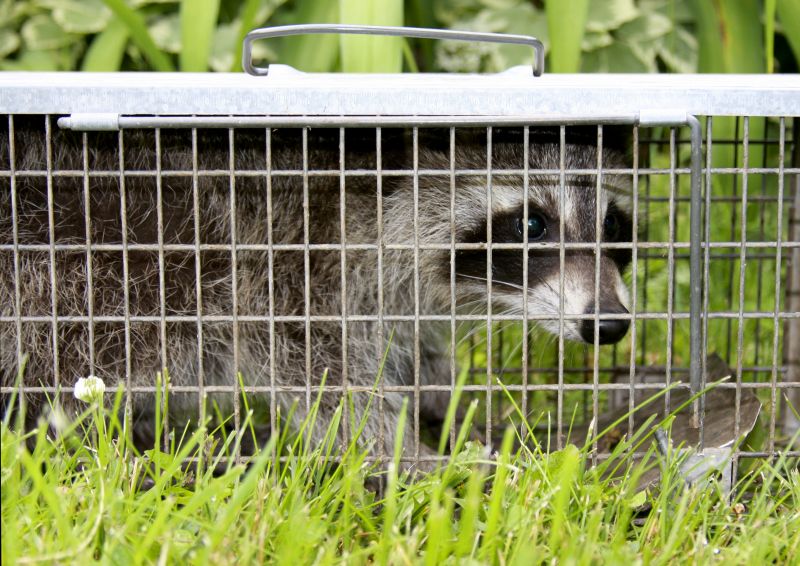
When comparing service providers for raccoon removal, it’s important to consider their experience with similar projects, particularly those involving common entry points raccoons use to access buildings. An experienced local contractor will have a clear understanding of how raccoons typically gain entry, such as through roof vents, chimneys, or damaged soffits. This knowledge can translate into more effective and targeted solutions, reducing the likelihood of future intrusions. Homeowners should inquire about the contractor’s background with raccoon-related issues to ensure they have a proven track record of handling these specific access points efficiently and safely.
Clear written expectations are essential when evaluating potential service providers. A reputable local contractor should be able to provide detailed descriptions of the scope of work, including identifying all potential entry points, methods for sealing or blocking them, and any follow-up measures. Having a written plan helps ensure that both parties understand the process and what will be done to prevent raccoons from re-entering. It also provides a reference point should any questions or concerns arise during or after the work is completed. Homeowners are encouraged to request this documentation to facilitate transparency and accountability.
Good communication and reputable references are key factors in selecting a dependable service provider. A professional local contractor will be willing to answer questions, explain their approach, and offer guidance on how to prevent future raccoon access. Additionally, seeking references or reviews from previous clients can provide insight into the contractor’s reliability and quality of work. Establishing open lines of communication early on helps ensure that expectations are met and that any issues are addressed promptly. This approach can lead to a smoother process and greater confidence in the chosen provider’s ability to handle the removal and sealing of common entry points raccoons use to access buildings.
Property owners often search for common entry points raccoons use to access buildings when they are planning practical projects around their homes and businesses. Local pros provide Raccoon Removal services for everyday jobs and straightforward project options.
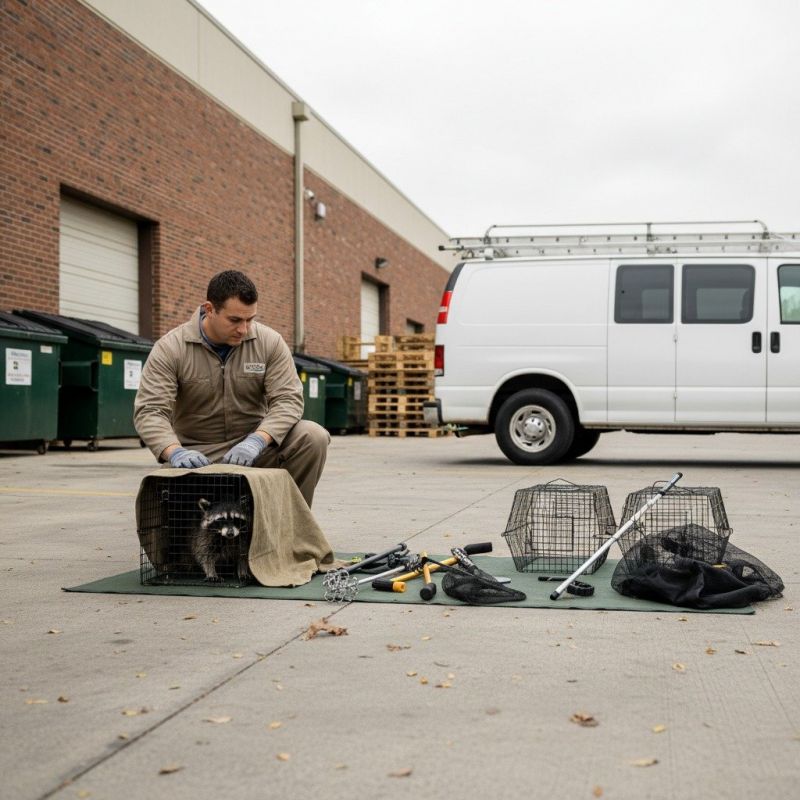
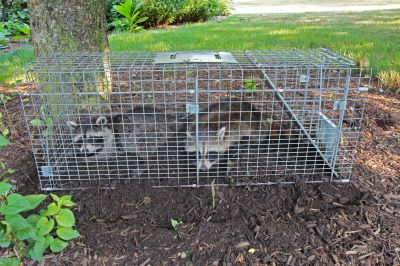
Understanding the common entry points raccoons use to access buildings can help property owners identify vulnerabilities around their properties. Raccoons are skilled at squeezing through small openings, such as gaps around vents, damaged soffits, or unsealed attic vents. They often exploit easily overlooked areas like broken window screens, attic vents, or loose fascia boards. Recognizing these potential access points is important for anyone dealing with raccoon activity, especially when considering the need for professional raccoon removal services to secure the property effectively.
Property owners in the area may seek the expertise of local contractors to assess and seal these entry points once identified. Raccoon removal specialists are equipped to handle the process of safely removing raccoons and blocking their access routes to prevent future intrusions. By addressing common entry points promptly, property owners can minimize the risk of raccoons causing damage or creating health concerns, making it wise to consult experienced service providers for thorough inspections and effective solutions.
What are common entry points raccoons use to access buildings? Raccoons often access buildings through roof vents, chimneys, gaps in soffits, attic vents, and damaged fascia boards. Local contractors can identify and seal these entry points to prevent raccoon intrusion.
How do raccoons typically get into attics or upper floors? Raccoons usually enter via roof openings, loose shingles, or damaged flashing. Skilled service providers can inspect and secure these access points to keep raccoons out of buildings.
Are there specific areas around a building where raccoons tend to enter? Raccoons commonly use roof overhangs, vents, and damaged siding as entry points. Local removal specialists can locate these areas and recommend effective exclusion measures.
Can raccoons access buildings through small gaps or holes? Yes, raccoons are adept at squeezing through small openings like vents, gaps around pipes, or cracks in siding. Professionals can help identify and seal these vulnerabilities to prevent entry.
What building features are most vulnerable to raccoon entry? Vulnerable features include roof vents, chimney caps, damaged soffits, and broken siding. Local experts can assess and repair these entry points to protect the building from raccoons.
Identify common entry points - property owners can inspect their buildings for gaps, holes, or openings that raccoons might use to gain access, with help from local contractors.
Seal vulnerable areas - sealing off cracks, vents, and other openings can prevent raccoons from entering, and local pros can assist with secure closures.
Install raccoon-proof barriers - using fencing or protective covers on chimneys, vents, and attic vents can block raccoon entry points, with guidance from local service providers.
Perform regular building inspections - routine checks for new or emerging entry points can help property owners maintain raccoon-proof structures with support from local contractors.
If you are thinking about common entry points raccoons use to access buildings for a property, this guide is meant to help you understand this topic, the typical project types, and how different options might fit your plans.
When you are ready, you can use the quote form on this page to share a few details about your project. From there, local pros can review the basics and follow up with options that match what you have in mind.