Why Racoons Tear Into Soffits, Fascia, and Roof Edges
People searching for racoon removal often want to stop raccoons from tearing into soffits, fascia, and roof edges, and local service providers can safely handle this work.
Many property owners in the area notice racoons tearing into soffits, fascia, and roof edges, which can lead to significant damage and potential security concerns. Understanding why racoons target these parts of a home can help residents take practical steps to prevent invasions and protect their property. Racoons are often drawn to roof edges and eaves because they provide easy access to nests, shelter, or food sources, especially if the exterior is already compromised or offers hiding spots. Exploring this topic can help homeowners identify vulnerabilities early and consider effective solutions, such as professional racoon removal services, to keep unwanted visitors at bay.
If racoons are causing trouble around a property, it’s important to recognize that local contractors specializing in racoon removal have the experience and tools to address these issues safely and efficiently. They can assess the specific reasons why racoons are tearing into roof edges and recommend targeted strategies to prevent future damage. Keeping an eye on these signs and understanding the motivations behind racoon behavior can make a difference in safeguarding a home, and connecting with trusted service providers is an essential step in resolving the problem effectively.
- Raccoon Entry Prevention - homeowners noticing raccoons tearing into soffits, fascia, and roof edges may need repairs to block entry points, with local contractors specializing in sealing vulnerable areas.
- Damaged Soffit and Fascia Repair - when raccoons cause damage to roof edges and fascia, local service providers can assess and restore these components to prevent further intrusion.
- Roof Edge Reinforcement - signs of raccoons tearing into roof edges often indicate the need for reinforcement, which local pros can install to deter future attempts.
- Wildlife Damage Inspection - concerns about raccoons damaging roof components prompt inspections by local contractors to identify and address entry points and structural issues.
- Exclusion and Deterrent Installation - raccoons tearing into soffits and fascia can be prevented with exclusion devices and deterrents installed by local service providers to keep wildlife out.
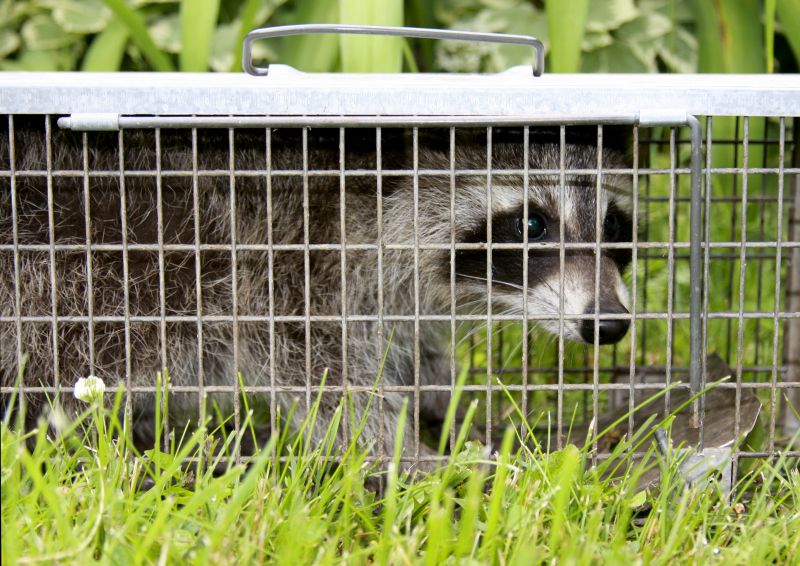
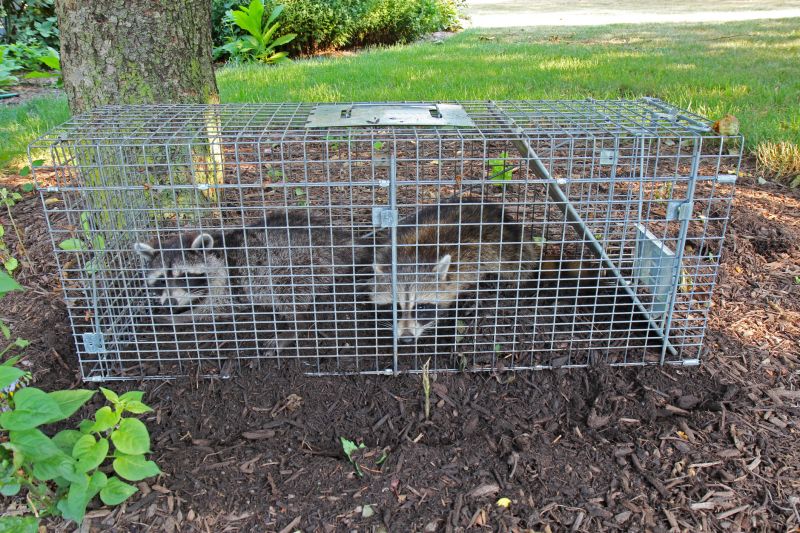
When searching for information about why racoons tear into soffits, fascia, and roof edges, homeowners are often concerned about damage to their property’s exterior and the potential for animal intrusion. This topic typically comes up when residents notice signs of raccoon activity, such as torn or disturbed roofing materials, nests, or debris around the home. People may also be exploring ways to prevent raccoons from gaining access to their attics or crawl spaces, as these animals are known to be resourceful and persistent. Understanding why raccoons target these specific parts of a home helps homeowners grasp the underlying reasons for the damage and highlights the importance of effective removal and prevention strategies.
This issue is closely related to property maintenance, wildlife control, and home improvement plans. Raccoons often tear into soffits, fascia, and roof edges because these areas provide easy access points or serve as entry routes into the attic or roof space. Damage can result from raccoons searching for nesting sites, food sources, or simply trying to establish a secure den. Homeowners might be considering repairs to restore damaged areas, or they may be looking for ways to seal vulnerable spots to prevent future incursions. In many cases, addressing raccoon activity involves collaborating with service providers who specialize in wildlife removal and exclusion, ensuring that the problem is managed humanely and effectively.
The types of properties most affected by raccoon tearing behavior tend to include residential homes, especially those with accessible roof edges, open soffits, or deteriorating fascia boards. Older homes or properties with poorly maintained roofing can be more susceptible to raccoon damage, as these areas may have gaps, loose boards, or weak spots that raccoons can exploit. Additionally, properties near wooded areas, parks, or water sources often experience higher raccoon activity, making them more vulnerable to such intrusions. Homeowners in these environments should be particularly attentive to signs of damage and consider proactive measures, including working with local contractors who specialize in raccoon exclusion and removal.
Connecting with experienced service providers can help homeowners address the root causes of raccoon tearing into soffits, fascia, and roof edges. Local pros can assess the property to identify entry points, recommend appropriate repairs, and implement exclusion methods to prevent raccoons from returning. These professionals understand the behavior patterns of raccoons and the best practices for humane removal and property protection. Engaging with qualified wildlife control specialists ensures that damage is repaired properly and that future raccoon activity is minimized, helping homeowners protect their investment and maintain a secure, damage-free home environment.
Gutter Repair and Installation - Professionals experienced in gutter systems can help prevent raccoon access by sealing entry points and reinforcing roof edges, reducing damage caused by tearing into soffits and fascia.
Roof Vent Installation - Installing proper roof vents requires careful planning and knowledge of roofing structures, which can deter raccoons from nesting or tearing into vulnerable roof edges.
Bird and Pest Screenings - Local contractors specializing in pest-proofing can install screens and barriers to keep raccoons from accessing roof edges and tearing into soffits.
Attic Insulation and Ventilation - Proper insulation and ventilation setup can discourage raccoons from nesting in roof spaces, preventing damage to fascia and soffits.
Roof Repair and Replacement - Skilled roof repair services can address damage caused by raccoons and reinforce vulnerable areas to prevent future tearing or intrusion.
Exclusion and Wildlife Proofing - Experts in wildlife exclusion can identify entry points and install barriers to protect roof edges and prevent raccoon damage.
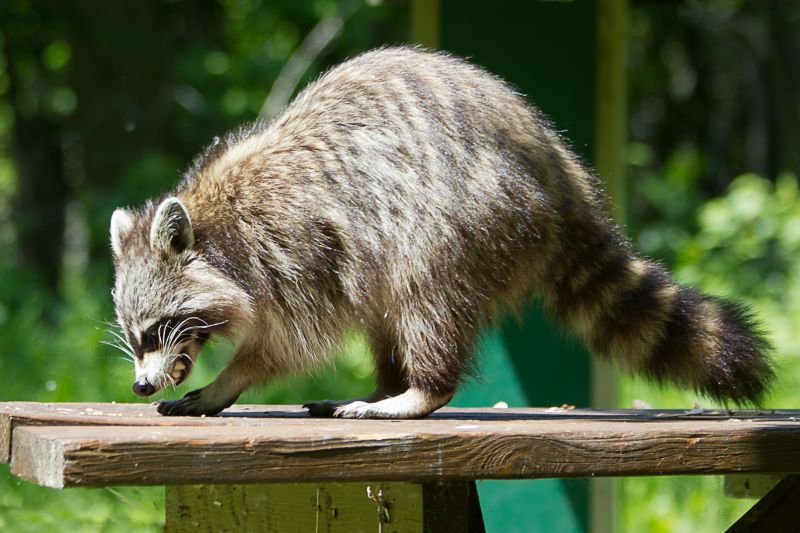
When evaluating local contractors for raccoon removal, it’s important to consider their experience with similar projects involving roof edges, soffits, and fascia. An experienced service provider will have a clear understanding of common entry points raccoons use and the best methods to safely and effectively remove them while minimizing damage to the property. Asking about past work or seeking references related to wildlife exclusion or roof edge repairs can help determine if a contractor has the practical knowledge needed to address the specific issues caused by raccoons tearing into soffits, fascia, and roof edges.
Clear written expectations are essential when comparing local pros for raccoon removal services. A reputable provider should be able to outline the scope of work, including inspection procedures, removal techniques, and any necessary repairs or preventative measures. This transparency helps ensure that homeowners understand what will be done and can avoid misunderstandings. It’s also beneficial to inquire about the contractor’s approach to handling ongoing raccoon activity, as well as their procedures for sealing entry points to prevent future incursions.
Good communication and reputable references are key indicators of a reliable service provider. Contractors who communicate clearly and promptly can help homeowners feel confident about the process and any work involved. Additionally, seeking references or reviews from previous clients who had similar issues can provide insights into the contractor’s professionalism, quality of work, and ability to resolve raccoon-related damage effectively. Focusing on these factors can help homeowners select local pros who are well-equipped to handle the unique challenges posed by raccoons tearing into soffits, fascia, and roof edges.
Property owners often search for why racoons tear into soffits, fascia, and roof edges when they are planning practical projects around their homes and businesses. Local pros provide Racoon Removal services for everyday jobs and straightforward project options.

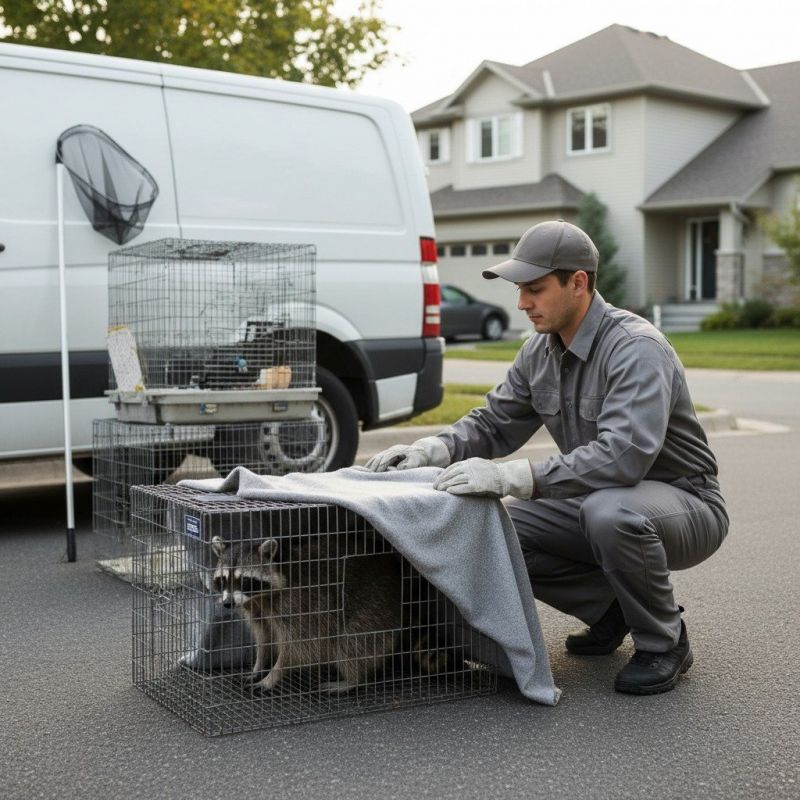
Property owners in the area often find themselves puzzled by racoons tearing into soffits, fascia, and roof edges. These areas are attractive to racoons because they provide easy access to the attic or roof space, where they may seek shelter or look for food sources. Additionally, damaged or loose materials in these parts of the home can make entry points more accessible, encouraging racoons to explore and cause further damage. When homeowners notice signs of raccoon activity or damage along the roofline, it’s common to consider professional raccoon removal services to address the problem safely and effectively.
Local contractors who specialize in raccoon removal are equipped to handle these situations, helping to identify why racoons are targeting specific areas and how to prevent future issues. They can assess the extent of damage, remove the animals humanely, and recommend repairs to keep racoons from returning. Property owners often look into these services when they want to protect their homes from ongoing damage and ensure that their roof edges and soffits remain intact. Connecting with experienced service providers can be an important step in resolving raccoon-related concerns and maintaining the integrity of the home’s exterior.
Why do racoons target soffits, fascia, and roof edges? Racoons often tear into these areas to access nesting sites or find food sources like insects or stored food. Their sharp claws and curiosity make them capable of damaging these parts of a home’s exterior. Local contractors can help identify and repair damage caused by racoons to prevent further issues.
What attracts racoons to tear into roof edges and fascia? Racoons are attracted to accessible food, shelter, and areas with easy entry points. Damaged or loose soffits and fascia can provide ideal hiding spots or access points. Professional racoon removal services can help secure these areas and remove the pests safely.
How can racoons damage roof edges and soffits? Racoons use their claws to tear and claw at soffits, fascia, and roof edges, which can lead to structural damage and entry points for other pests. Repairing and sealing these areas can help prevent racoon intrusion and protect the home’s exterior.
Are damaged soffits and fascia a sign of racoon activity? Yes, torn or chewed soffits and fascia often indicate racoon activity, especially if accompanied by other signs like footprints or droppings. Local service providers can assess the damage and recommend appropriate removal and repair solutions.
What can be done to prevent racoons from tearing into roof edges and soffits? Securing and sealing vulnerable areas, removing food attractants, and installing barriers can help prevent racoons from damaging roof edges and soffits. Connecting with local contractors can facilitate effective racoon exclusion and damage prevention measures.
Understanding raccoon behavior - Recognizing why racoons tear into soffits, fascia, and roof edges can help property owners identify vulnerable areas and plan for effective removal with local contractors.
Identifying entry points - Finding common raccoon entry points around roof edges allows property owners to work with local pros to secure and protect these areas against future infestations.
Implementing preventative measures - Applying barriers or repairs suggested by local service providers can reduce raccoon access and prevent damage to soffits and fascia.
Scheduling professional removal - Engaging experienced raccoon removal services ensures that damaged or torn materials are properly repaired and raccoons are safely removed from the property.
If you are thinking about why racoons tear into soffits, fascia, and roof edges for a property, this guide is meant to help you understand this topic, the typical project types, and how different options might fit your plans.
When you are ready, you can use the quote form on this page to share a few details about your project. From there, local pros can review the basics and follow up with options that match what you have in mind.