How Raccoons Cause Damage to Homes
People searching for raccoon removal often want to prevent damage to homes, and local service providers can effectively handle raccoon removal and property repairs.
Homeowners in the area who have noticed signs of raccoons or are simply concerned about potential wildlife intrusions may find this information especially relevant. Raccoons are known for their resourcefulness and ability to squeeze through small openings, often leading to damage around roofs, vents, and chimneys. Understanding how raccoons cause damage to homes can help property owners identify vulnerabilities early and take steps to protect their property. Exploring this topic can also highlight the importance of professional raccoon removal services, which local contractors provide to help address these issues effectively.
Knowing the common ways raccoons can impact a home underscores the value of connecting with experienced service providers in the community. Whether it’s preventing structural damage or avoiding costly repairs, having access to qualified raccoon removal experts can make a significant difference. Keep reading to learn more about the risks raccoons pose and how local professionals can assist in safeguarding homes from these clever but troublesome animals.
- Attic insulation repair - homeowners noticing raccoon entry points in their attic may need local contractors to secure vents and replace damaged insulation.
- Roof repair services - when raccoons cause damage to shingles or flashing, local pros can assess and restore roof integrity to prevent further issues.
- Soffit and fascia repair - signs of raccoon intrusion around eaves often require specialists to fix or replace damaged soffit and fascia boards.
- Entry point sealing - evidence of raccoons in the home can lead to inspections by service providers to identify and seal entry points effectively.
- Garage and shed repair - raccoons may cause damage to doors and walls, prompting local contractors to help secure and repair these structures.
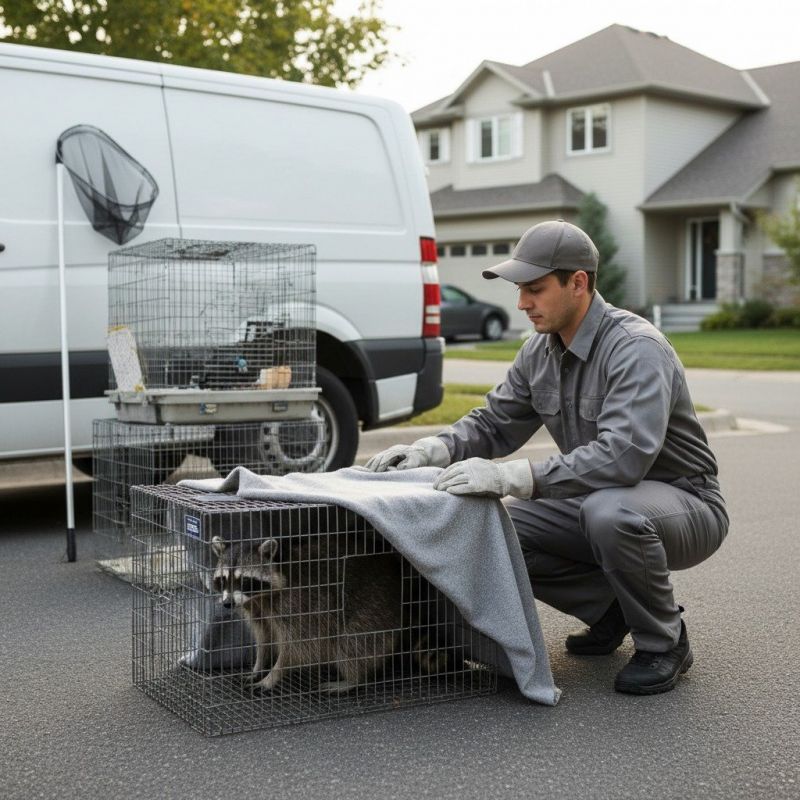

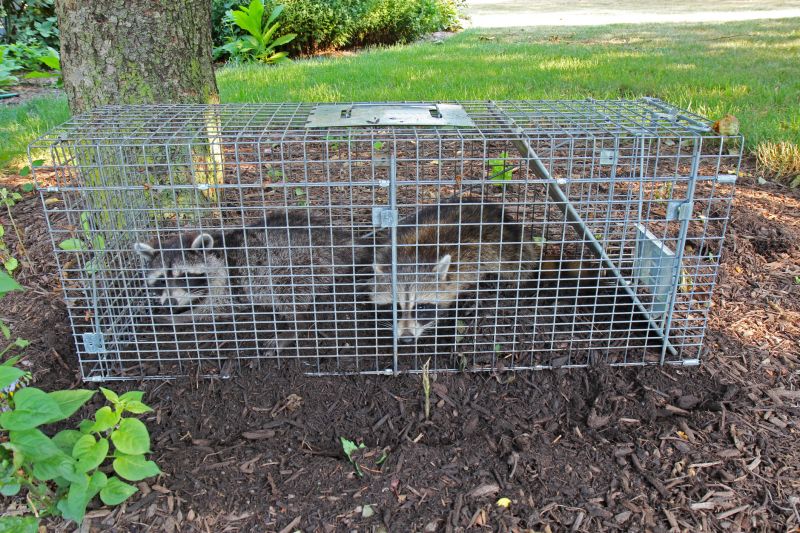
When people search for information about how raccoons cause damage to homes, they are typically concerned about the signs of raccoon activity and the potential risks involved. Homeowners often notice raccoons rummaging through garbage, scratching at roofs, or making noises in attics and walls. These searches usually stem from worries about property damage, safety hazards, or the presence of these animals in or around their homes. Understanding the specific ways raccoons can impact a residence helps homeowners recognize the need for professional assistance and preventive measures to protect their property.
The problems related to raccoon damage often involve structural issues, contamination, and ongoing nuisance. Raccoons are known to tear open vents, roof shingles, or siding to gain access to attic spaces or crawl areas. Once inside, they can cause significant damage to insulation, wiring, and drywall, which may lead to costly repairs. Additionally, raccoons often leave behind droppings and urine that can contaminate indoor environments, creating health concerns. Homeowners planning to address raccoon-related problems might seek out services like raccoon removal or exclusion to safely remove animals and prevent future intrusions.
Properties most commonly affected by raccoon damage tend to include single-family homes, especially those with accessible attics, chimneys, or roof vents. Homes with poorly sealed entry points or structural vulnerabilities are more prone to raccoon infiltration. Raccoons also target sheds, garages, and other outbuildings that provide shelter or easy access to food sources. Urban and suburban neighborhoods with nearby wooded areas or water sources tend to see higher incidences of raccoon activity. Recognizing the types of properties at risk can help homeowners identify early signs of raccoon presence and determine when professional services are needed to address the issue effectively.
Local pros who specialize in raccoon removal and exclusion are equipped to handle the unique challenges posed by these animals. They can inspect properties for entry points, safely remove raccoons, and implement measures to block future access. These service providers play a crucial role in mitigating damage caused by raccoons, reducing health risks, and restoring the safety and integrity of a home. Connecting with experienced contractors ensures that raccoon-related problems are addressed promptly and effectively, helping homeowners protect their properties from ongoing or future damage.
Home inspection services - professionals who assess property damage caused by raccoons and identify entry points that need sealing.
Wildlife exclusion services - specialists skilled in installing barriers and repairs to prevent raccoons from re-entering homes.
Gutter and roof repair projects - contractors experienced in fixing damage to roofing and gutter systems caused by raccoon activity.
Structural repair services - providers who restore and reinforce damaged walls, vents, and attic spaces affected by raccoons.
Pest and animal removal services - experts who safely remove raccoons and other wildlife causing damage to residential properties.
Drain and crawl space sealing projects - specialists who close off access points that raccoons use to invade homes and cause harm.
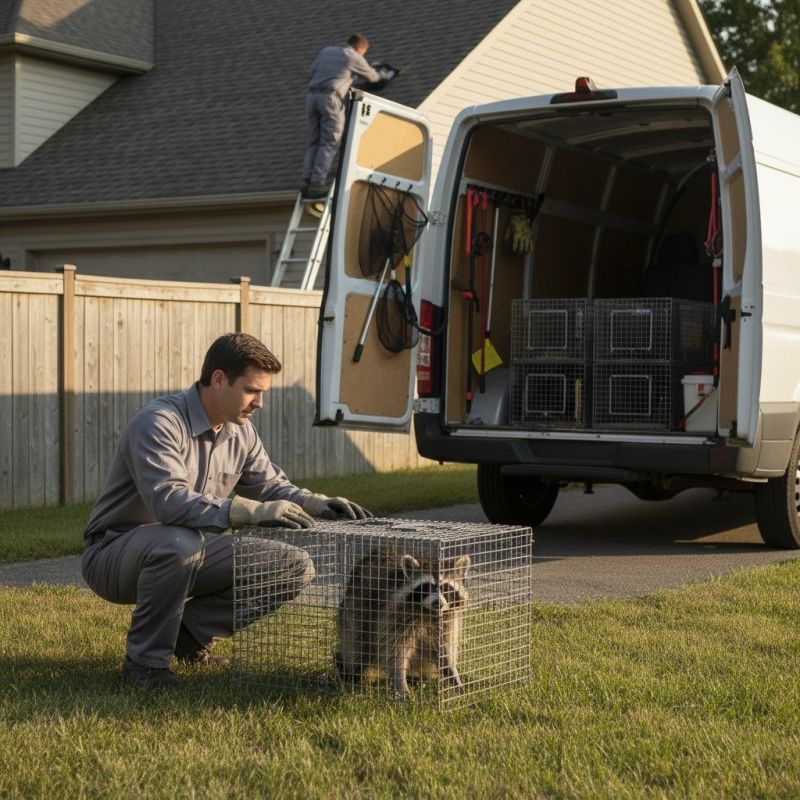
When evaluating service providers for raccoon removal, it is important to consider their experience with similar projects. Homeowners should look for local contractors who have a proven track record of handling raccoon-related issues, especially those involving damage to homes. An experienced professional will understand common entry points and behaviors of raccoons, which can lead to more effective and thorough removal. Asking about previous work or seeking references can help gauge whether a provider has successfully managed cases similar to the specific concerns at hand.
Clear written expectations are essential when comparing local pros for raccoon removal services. Homeowners should seek detailed descriptions of the scope of work, including how the raccoons will be removed, how entry points will be secured, and whether repairs or preventative measures are included. Having these details in writing helps prevent misunderstandings and ensures that both parties agree on what will be done. It also provides a basis for evaluating whether a service provider’s approach aligns with the homeowner’s needs and concerns about future raccoon activity.
Good communication and reputable references are key factors when selecting a local contractor. Service providers who communicate clearly and promptly can make the process smoother and more transparent. Homeowners should inquire about references or reviews from previous clients to verify the quality of work and professionalism. Trustworthy contractors will be open to answering questions, providing guidance on how to prevent future raccoon issues, and maintaining ongoing communication throughout the project. Making an informed choice based on these qualities can lead to a more successful and satisfactory outcome.
Property owners often search for how raccoons cause damage to homes when they are planning practical projects around their homes and businesses. Local pros provide Raccoon Removal services for everyday jobs and straightforward project options.

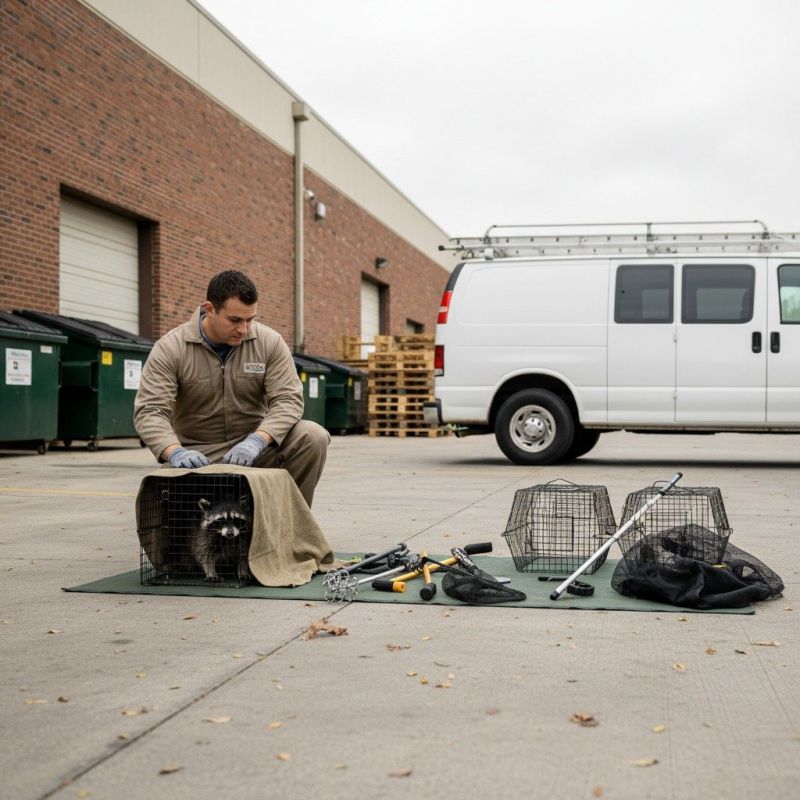
Raccoons are known for their resourcefulness and curiosity, which can lead to significant damage when they venture onto residential properties. Common issues include raccoons tearing into trash cans, rummaging through attic insulation, and squeezing through small openings to access homes. These animals may also cause damage to roofs, vents, and soffits as they seek shelter or food sources, often resulting in costly repairs for property owners trying to maintain the safety and integrity of their homes.
For homeowners noticing signs of raccoon activity or concerned about potential damage, seeking the assistance of local contractors experienced in raccoon removal can be an effective step. These service providers can evaluate the situation, identify entry points, and implement humane removal methods to prevent further damage. Connecting with local pros ensures that property owners can address raccoon-related issues efficiently and protect their homes from ongoing harm.
How do raccoons typically cause damage to homes? Raccoons often damage homes by tearing off shingles, gnawing on woodwork, and creating entry points through roofs and vents, which can lead to structural issues and water leaks.
What kinds of areas around a home are raccoons likely to damage? Raccoons tend to damage attics, soffits, gutters, and exterior walls as they search for food or shelter, often resulting in insulation destruction and broken siding.
Why is raccoon damage a concern for homeowners? Raccoon damage can compromise the integrity of a home’s structure, lead to pest infestations, and increase the risk of water intrusion or electrical issues caused by their nesting activities.
How can local service providers help prevent raccoon damage? Local contractors can seal entry points, remove raccoons safely, and implement exclusion methods to prevent future damage caused by raccoons.
What are signs that raccoons have caused damage to a home? Signs include torn insulation, chewed wires, holes in roofing or siding, and the presence of raccoon droppings or tracks near the property.
Identify entry points - property owners can work with local contractors to locate and seal gaps or holes where raccoons may enter the home.
Install deterrents - using advice from local pros, homeowners can set up humane deterrents around the property to discourage raccoon activity.
Secure trash and food sources - consulting with local service providers helps ensure trash cans and outdoor food are properly protected from raccoon access.
Inspect and repair damage - property owners can schedule inspections with local pros to assess and fix structural damage caused by raccoons.
If you are thinking about how raccoons cause damage to homes for a property, this guide is meant to help you understand this topic, the typical project types, and how different options might fit your plans.
When you are ready, you can use the quote form on this page to share a few details about your project. From there, local pros can review the basics and follow up with options that match what you have in mind.